 Pediatric Dentistry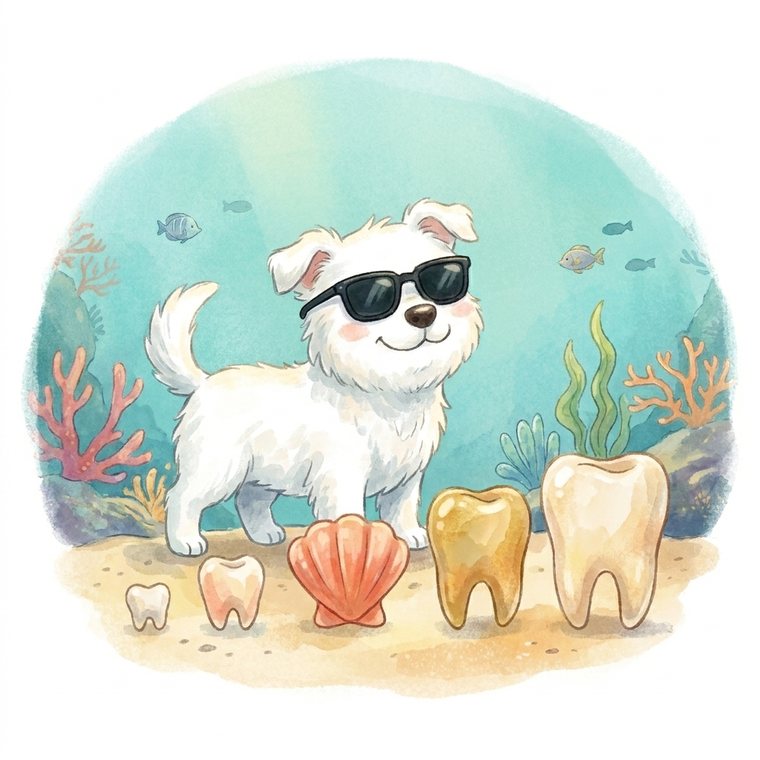
There is no one right way to do this
A loose tooth shows up in almost every elementary classroom sooner or later, and what happens next looks different in every house. Some families go all in with an elaborate tooth fairy backstory, complete with glitter and a tiny handwritten note. Others keep it simple: a coin under the pillow and nothing more. Some skip the character altogether and mark the day with a special dinner or a photo instead.
In some family traditions and cultures, the character is not a fairy at all, but a small mouse who visits in the night instead. Blended families sometimes end up running two versions at once, borrowed from each side, and that works out fine too. None of these is more correct than another. Your family gets to decide what this looks like, including deciding it does not need to look like anything in particular.
Keepsake ideas worth stealing
A lost tooth is easy to lose twice, once from the mouth and once again in a junk drawer a few weeks later, so a lot of families land on some kind of small keeper for it. A handful of ideas that tend to stick around:
- A tiny labeled box or pouch. Simple, cheap, and it turns a loose tooth into something that will not vanish into a couch cushion.
- A tooth chart or printable. A single page marking which tooth came out and roughly when, filled in over several years, becomes a small keepsake on its own by the time the last one is gone.
- A first-lost-tooth photo. A gap-toothed grin is a genuinely great photo, and plenty of families take one on purpose to mark the occasion.
- A jar or shadow box. Some families save every tooth in one spot for the whole run of them, baby teeth included, as a strange but sweet record of a childhood.
Letters and tiny doors
Two traditions show up again and again once families start comparing notes. The first is a letter: a child leaves a short note or a question for the fairy, and the fairy writes back overnight in tiny handwriting, sometimes answering the question, sometimes just saying thank you for the tooth. It takes a few minutes to set up and tends to become the part a child remembers best.
The second is a tiny door, a small decorative door attached low on a wall or baseboard, marking a spot the fairy supposedly uses to come and go. It is entirely optional and purely decorative, but it gives younger kids something to point at and talk about, and it can be set up once and reused for every tooth that follows.
Booking is one quick call.
One number reaches both offices, Monday to Friday 8 to 5. Your child's health details stay in a conversation with our front desk, never typed into a website.
Celebrating the tooth's story, not just what is left under the pillow
It is easy to let the excitement start and end with what gets left behind, but the tooth itself has a decent story worth a sentence or two before it disappears into a keepsake box. That small tooth has been chewing through breakfast, lunch, and every snack in between for years, and the nightly brushing that kept it shiny the whole way through is a big part of why it is coming out clean rather than as a bigger production.
A quick moment of actually looking at the tooth together, maybe noting how white it still is, turns the whole event into more than a transaction. It is a small, genuine way to connect the fun of the tradition to the daily habit that got the tooth to this point in such good shape.
Making it easy on future you
The tooth fairy forgets sometimes. Every family that has done this for more than one tooth has a story about a rough night, a lost tooth that never made it under the pillow, or a parent who remembered at midnight and had to improvise. None of that ruins anything.
A simple, honest recovery works every time: the fairy was busy, or got the note late, and will be back tomorrow night instead. Keeping a small stash of whatever your family uses, tucked somewhere you will actually remember, saves a lot of late-night scrambling. Kids are remarkably forgiving about a one-night delay, especially when the story is told with a straight face.
One more tooth, one more small milestone
By the end of elementary school, most kids have been through this enough times that it stops feeling like a big event and starts feeling like a familiar rhythm, right alongside the rest of the changes this stage brings. That is a good thing. Familiar is comfortable, for kids and for the parents keeping the tradition running.
If your household is looking for a bedtime story to go with the occasion, the free Storybook Reef has a whole shelf of them, including Goodnight, Reef, which ends with the two-minute brush that keeps the next tooth just as healthy as the last one. For everything else this stage covers, from wiggly teeth to the first permanent molars coming in behind them, the elementary years page is the place to start.
Parents ask us
Do we have to do a tooth fairy tradition at all?
Not at all. Plenty of families skip the character entirely and mark a lost tooth a different way, like a special dinner or a small sticker on a growth chart. There is no required version of this, and your child will not miss out on anything essential either way.
What if the tooth gets lost before the fairy comes, or it goes missing at school?
It happens constantly, and it is a completely fixable problem. A short note explaining that the tooth was lost, or that the fairy already knows what happened, works just as well as the tooth itself for most kids. A tooth that goes missing at school is common enough that most teachers have seen it before and know how to help.
How much should the tooth fairy actually leave?
There is no standard answer, and what another family does is not a benchmark worth chasing. Some households leave money, some leave a small trinket or a note instead, and plenty of kids are equally thrilled either way. Whatever feels right and sustainable for your family is the correct amount.
What age do most kids start losing teeth?
It varies quite a bit, but for most children the first wiggly tooth shows up sometime in the early elementary years, often around kindergarten or first grade. An earlier or later start than an older sibling or a classmate is common and not something to read into on its own.
Ready to set sail?
A real human answers, Monday to Friday 8 am to 5 pm. New patient forms arrive ahead of time, no clipboard scramble.
Call (239) 482-2722