 Pediatric Dentistry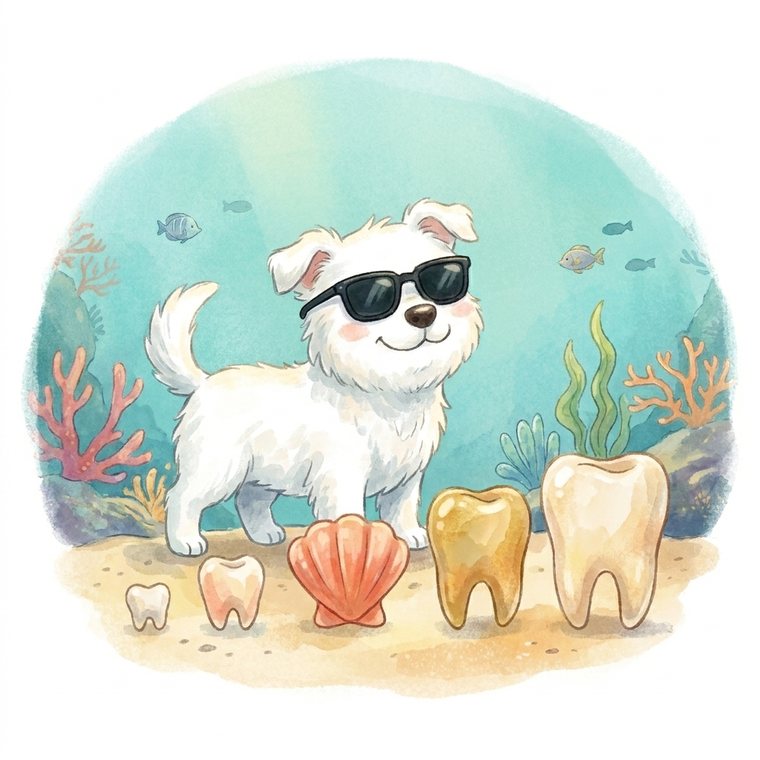
Why this particular stretch
If it feels like this age brings more cavities than the one before it, that impression is not off. A few ordinary things are happening at once: teeth shaped in a way that is harder to keep clean, a diet genuinely shifting toward more independence, brushing skills still catching up to a child's enthusiasm for doing it themselves, and bedtime routines that are that much easier to derail on a long day. None of it points to anything being done wrong. It is simply what this stage looks like.
Deep grooves and a diet on the move
The back molars that come in during these years have deep natural grooves and pits across their chewing surface, useful for grinding food and genuinely difficult to clean all the way to the bottom of, even with a careful brush. Food and plaque settle into those grooves more easily than they do on a smoother front tooth.
At the same time, the diet itself is changing. Preschoolers eat more independently, encounter more birthday parties, snack tables, and other adults offering food, and simply have more chances to graze outside of a parent's direct view than they did as toddlers. Neither shift is a problem on its own. Together, they add up to more opportunities for something to settle in and stay.
Brushing skill still catching up
Preschoolers want independence at the sink as much as anywhere else, and letting them try is worth encouraging. The fine motor control for a genuinely thorough brush, though, is usually still a few years off, which is exactly why this stage calls for a team effort: your child gets a turn, and a parent finishes the job, especially for the last brush before bed.
On toothpaste amount, the American Dental Association's general guidance at this age is a rice-grain smear under 3, and a pea size after, with an adult supervising or brushing directly. It is a small detail, but a fair amount of what protects teeth right now still comes down to that second, adult-led pass.
Booking is one quick call.
One number reaches both offices, Monday to Friday 8 to 5. Your child's health details stay in a conversation with our front desk, never typed into a website.
The bedtime routine that quietly slips
Bedtime brushing is the one most likely to get skipped, not because anyone stopped caring, but because a preschooler who is stalling, negotiating, or simply exhausted can wear a long day down to its last bit of patience. Saliva flow drops overnight, so whatever is left on teeth at bedtime tends to sit there longer than it would at any other point in the day, which makes that particular brush matter more than the others.
If bedtime brushing has turned into a nightly negotiation, the free storybook Goodnight, Reef ends with the two-minute brush built right into the story, which can do some of the convincing for you on a rough night.
What the practice does about it
Checkups every six months keep little problems little, and that rhythm matters even more during a cavity-prone stretch like this one, since it means less time for something small to grow before anyone catches it. Between visits, fluoride treatments help strengthen the teeth working the hardest.
For the molars with those especially deep grooves, we also use BPA-free dental sealants, a thin protective coating over the chewing surface that makes it harder for food and plaque to settle into the places a toothbrush struggles to reach. None of it replaces brushing at home. It is one more layer working alongside it. More on how these fit together lives on the preventative care page.
What is actually in your control at home
Of everything covered here, a short list does most of the work: a finished, adult-led brush at bedtime even on the nights it is a fight, water as the default drink between meals and snacks, and keeping visits on schedule rather than pushing them off. None of it needs to be perfect to matter.
This stretch does not last forever. Brushing skill catches up, the begging-at-bedtime phase fades, and the preschool years give way to a mouth that is genuinely easier to look after. In the meantime, checkups are where the rest of the plan gets built together, one visit at a time.
Parents ask us
Does a lot of cavities now mean our child will always be cavity-prone?
Not necessarily. A good part of the risk at this age is tied to this exact stage, tooth shape, a changing diet, and brushing skills still catching up, and that picture tends to shift as your child grows. Staying consistent with checkups matters more than any single finding right now.
Do the sealants actually make a difference?
They are one more layer of protection over the deep grooves that are hardest to keep clean, not a replacement for brushing at home. Your pediatric dentist can tell you which teeth are good candidates at your child's next visit.
Our child fights us on brushing every single night. Any advice?
That is a common stage, not a sign anything is wrong. Keeping it short, letting your child hold the brush for part of it before you finish the job, and staying consistent matter more than winning every negotiation. Some families find a story like Goodnight, Reef helps ease the nightly fight.
Is it normal to feel like we are constantly negotiating about snacks and brushing right now?
Very. This age tests a parent's patience in both departments at once, and that is ordinary rather than a sign you are doing something wrong. Consistency over time matters far more than any single night going sideways.
Ready to set sail?
A real human answers, Monday to Friday 8 am to 5 pm. New patient forms arrive ahead of time, no clipboard scramble.
Call (239) 482-2722