 Pediatric Dentistry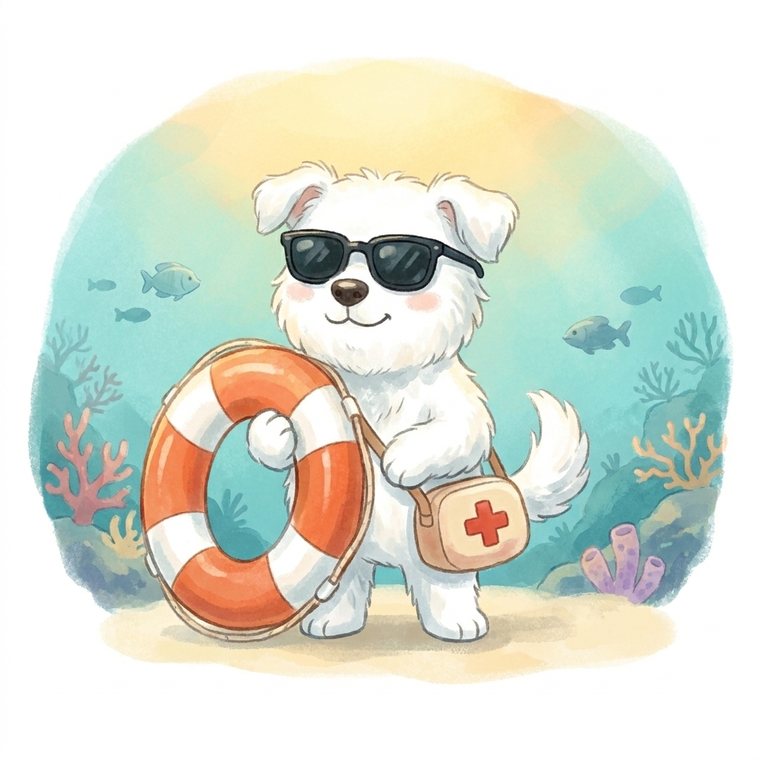
Five quiet minutes, spent while nothing is wrong
A dental emergency is not really about the tooth in the first minute. It is about a child watching your face to work out how bad this is.
A parent who knows where the gauze is gets to be the calm one. Digging through three drawers while a child bleeds into a bath towel frightens everyone further. Reaching for a box you packed in March does the opposite.
If something is happening right now, stop reading. Trouble breathing, bleeding you cannot slow, or a knock to the head means 911 or the emergency room, ahead of any dental office. For a tooth, call (239) 482-2722.
What goes in the box
A shoebox or a zip pouch, filled mostly with things already in your house.
- Clean gauze pads. The hardest working item in the kit. Folded and held with steady, gentle pressure, gauze handles most of what a bleeding mouth needs.
- A small clean container with a lid. A travel cup or a lidded snack pot. This is what a knocked-out tooth or a broken fragment rides to the office in.
- A cold pack, or a freezer plan. An instant cold pack, or the bag of frozen vegetables you have already decided to grab. Cold goes on the outside of the cheek, wrapped in a cloth, never inside the mouth.
- Dental floss. Kept here rather than borrowed from the bathroom at midnight. Trapped food sits behind a great many evening toothaches.
- A small flashlight. A phone light works until you need the phone for the call. A cheap flashlight lets you see into a small mouth.
- Our number, in two places. Saved in your phone, and written on a card in the box: (239) 482-2722. The card sounds redundant until the phone is dead, or the adult holding it is the sitter.
- Your pediatrician's number beside it. Two cards, one box. Plenty of what a hurt child needs is not dental.
One item cannot live in the kit, and it matters most: milk. A knocked-out permanent tooth travels in cold milk, so the plan is knowing it is in the fridge and the container is waiting.
Where to keep it, and who else needs to know
Two kits if you can manage it, because the second one is the one that gets used.
One at home, somewhere an adult can find in the dark: the bathroom cabinet, or the drawer where the batteries live. Say it out loud to every adult in the house and to the sitter, because a kit nobody can find is just a box of gauze.
One in the car, or in the sports bag. Teeth do not get knocked out in kitchens. They come out on bike paths, pool decks and outfields, a long way from your bathroom cabinet. Check both kits when you change the smoke alarm batteries.
Booking is one quick call.
One number reaches both offices, Monday to Friday 8 to 5. Your child's health details stay in a conversation with our front desk, never typed into a website.
The half of the kit that is not supplies
If you keep one part of this page, keep this part. Supplies help. Knowing which situation you are in helps more.
Rule one: the child comes before the tooth
Teeth are our department. Airways, heads and heavy bleeding are not. Trouble breathing, bleeding you cannot slow with gentle pressure, a head injury, or a jaw that sits crooked: all of it is 911 or the emergency room first, before anybody thinks about a tooth. We pick up the tooth side afterward.
Rule two: a permanent tooth runs on a clock
An adult tooth out of its socket is where minutes genuinely count. Hold it by the chewing end, fingers off the root. Rinse it briefly, in milk or water, only if it is dirty. Never scrub it and never let it dry. Into the container, covered in cold milk, and into the car, calling (239) 482-2722 from the road.
Roughly thirty minutes is the window the American Association of Endodontists points to, and the American Academy of Pediatric Dentistry treats it as immediate. Later is still worth the trip.
Rule three: a baby tooth that comes out never goes back in
This is the one adults get backwards under pressure. Under that socket sits the permanent tooth, still taking shape, and pushing the baby tooth back down can injure it. Gauze, gentle pressure, cold on the outside of the cheek, and a phone call. Bring the tooth if it turns up, but it is not going back in.
When you cannot tell which of the three you are in, the phone settles it. Each one has its own walkthrough on our emergency guides.
The call you are getting ready to make
(239) 482-2722 reaches both offices, Monday to Friday, 8 to 5, and a real human answers. For trouble breathing, bleeding you cannot slow, a head injury, or a jaw that sits crooked, the hospital goes ahead of us at any hour; everything else can be described first thing at 8.
The front desk will ask what happened, when, which tooth, and how your child is doing. You are describing, not diagnosing, and saying you cannot tell is a real answer.
An urgent visit is still a kid's visit, in the same room your child would see on a happy day. Nothing begins until your pediatric dentist has walked you through the comfort options, and you can stay beside your child throughout. If your family has not been in yet, an ordinary first visit does more than any box can. Book a visit.
Practicing without frightening anybody
You can teach a child what to do without teaching them to be afraid. The model already exists: the fire drill, which works because it is short, dull and repeated.
Run yours the same way. Two minutes, once, on a good day.
- Let them open the box. Mystery is what makes an object frightening. Gauze your child has already handled is just gauze.
- Give one job, not five. For little ones the whole lesson is: find a grown up, and let them look.
- Add the milk rule for older kids. Anyone old enough for team sports can hold one sentence: a tooth that comes out goes in milk, not a napkin, and you find an adult.
- Rehearse the tone, not the injury. What your child learns is that you are steady when this comes up.
Then stop. Do not act it out, and never at bedtime. If yours is a worrier, showing them where the box lives is plenty.
For a nervous child, a story does more than a briefing. The Bravest Little Diver is a free picture book from our Storybook Reef about being brave somewhere new.
Parents ask us
What about medicine? Should something for pain go in the kit?
Not on our say so. What belongs in your family's kit medically is a conversation with your pediatrician, not something we will put on a web page. One hard rule we will give you: never put aspirin, or any pill, against the gum or on a sore tooth. A pill parked on the gum does nothing for the ache underneath it, and the soft tissue can be burned where it sits. Anything swallowed belongs to that same conversation, so ask them, or call us at (239) 482-2722.
At what age is this worth doing?
From the first tooth until the last child leaves home, though what you reach for changes. Small children fall while they are still learning to run, usually baby teeth and split lips. Older children collect the sports collisions, which is when the milk rule earns its place.
What if we are away from home and the kit is not with us?
Improvise, and do not lose time over it. A clean washcloth stands in for gauze, any lidded cup for the container, a bag of frozen anything wrapped in a towel for the cold pack. The two things with no substitute are milk from somebody's fridge and our number, which is the argument for saving (239) 482-2722 in your phone right now.
Ready to set sail?
A real human answers, Monday to Friday 8 am to 5 pm. New patient forms arrive ahead of time, no clipboard scramble.
Call (239) 482-2722